Systemy magazynowania energii
Magazynuj energię ze słońca i wykorzystuj ją wtedy, gdy najbardziej jej potrzebujesz.
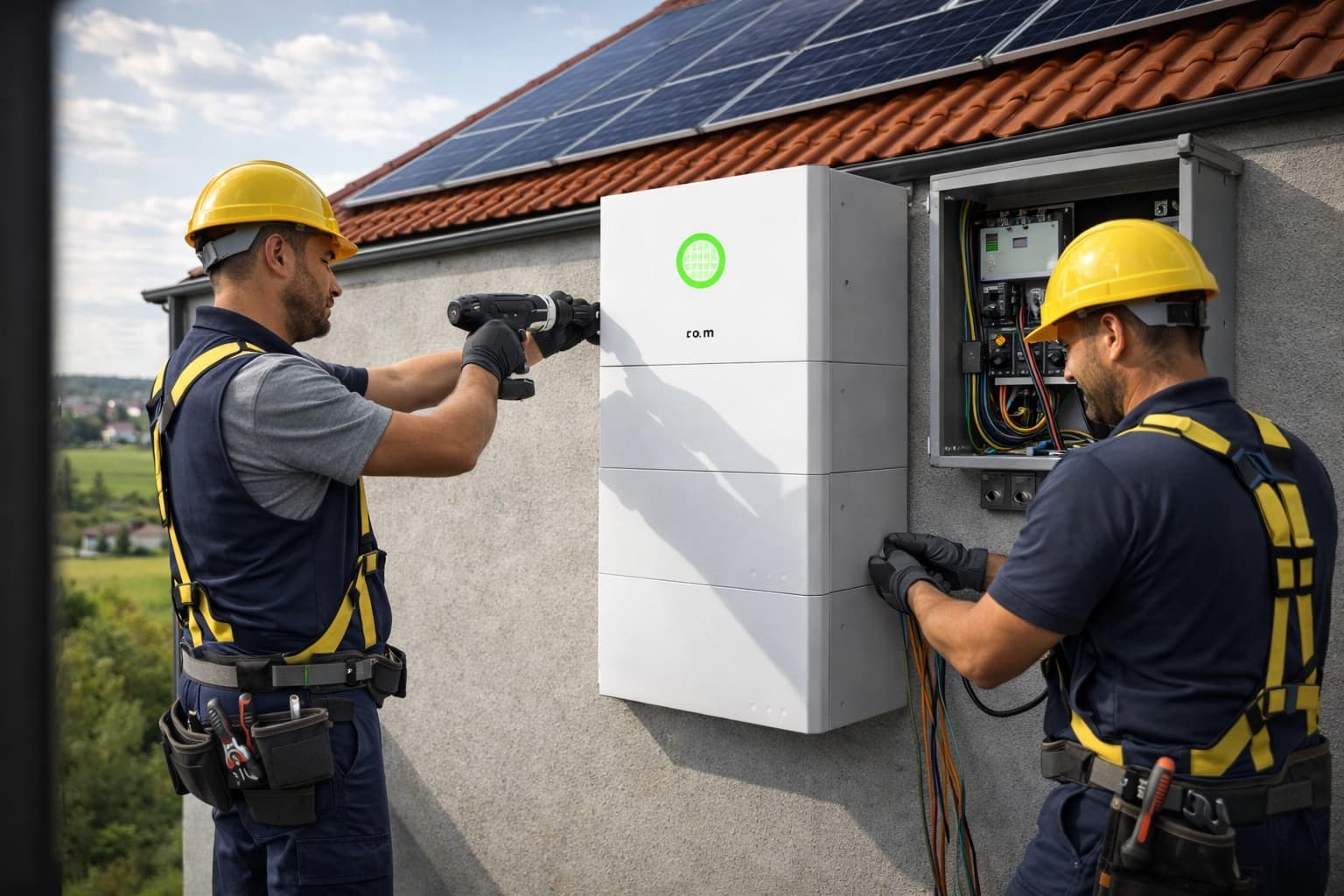
Dlaczego połączyć fotowoltaikę z magazynem energii?
Magazyn energii zamienia instalację fotowoltaiczną w naprawdę samowystarczalny system. Zamiast oddawać większość nadwyżek do sieci, przechowujesz je lokalnie i wykorzystujesz wieczorem, w nocy lub podczas przerw w dostawie prądu — zwiększasz autokonsumpcję, chronisz się przed awariami i stabilizujesz rachunki za energię.
Jak działają nasze magazyny dla domu i firmy
Projektujemy magazyny energii dopasowane do mocy Twojej instalacji PV i rzeczywistego profilu zużycia. W dzień prąd ze słońca najpierw pokrywa bieżące zapotrzebowanie, a nadwyżka automatycznie ładuje baterię. Wieczorem i w nocy system płynnie zasila budynek, może wspierać pompę ciepła lub ładowarkę EV i sięga po energię z sieci tylko wtedy, gdy jest to konieczne. Wszystkie rozwiązania wyposażone są w inteligentne zarządzanie energią, zdalny monitoring i przebadane pod kątem bezpieczeństwa baterie litowe.
Najważniejsze zalety magazynu energii
Prawidłowo dobrany magazyn sprawia, że instalacja PV staje się sercem nowoczesnego i odpornego systemu zasilania budynku.
- Znacznie wyższa autokonsumpcja własnego prądu słonecznego zamiast oddawania większości do sieci.
- Większa niezależność od awarii i wzrostów cen dzięki lokalnym rezerwom energii.
- Optymalna współpraca z pompami ciepła, ładowarkami EV i innymi dużymi odbiornikami w domu lub firmie.
- Przejrzysty podgląd pracy dzięki aplikacjom i portalom — zawsze widzisz poziom naładowania, przepływy i oszczędności.
Typowe zastosowania
Przykłady pokazują, jak inteligentnie sterowany magazyn podąża za rytmem dnia i potrzebami budynku.
- Domy z aktywnym trybem życia, w których energia słoneczna magazynowana w baterii jest wykorzystywana głównie wieczorem i w nocy, maksymalizując samowystarczalność i obniżając rachunki.
- Budynki z pompą ciepła lub pojazdami elektrycznymi, gdzie magazyn buforuje krótkotrwałe szczyty mocy, zapewniając stabilne zasilanie dla urządzeń o wysokim poborze energii.
- Małe firmy, które chcą zabezpieczyć się przed przerwami w pracy i wahaniami cen energii, stabilizując koszty operacyjne i zwiększając niezawodność energetyczną.
Zainteresowany magazynem energii?
Wypełnij formularz poniżej i opisz krótko swoją obecną lub planowaną instalację PV. Przygotujemy dla Ciebie propozycję systemu magazynowania energii.